 English
 中文简体
中文简体
 русский

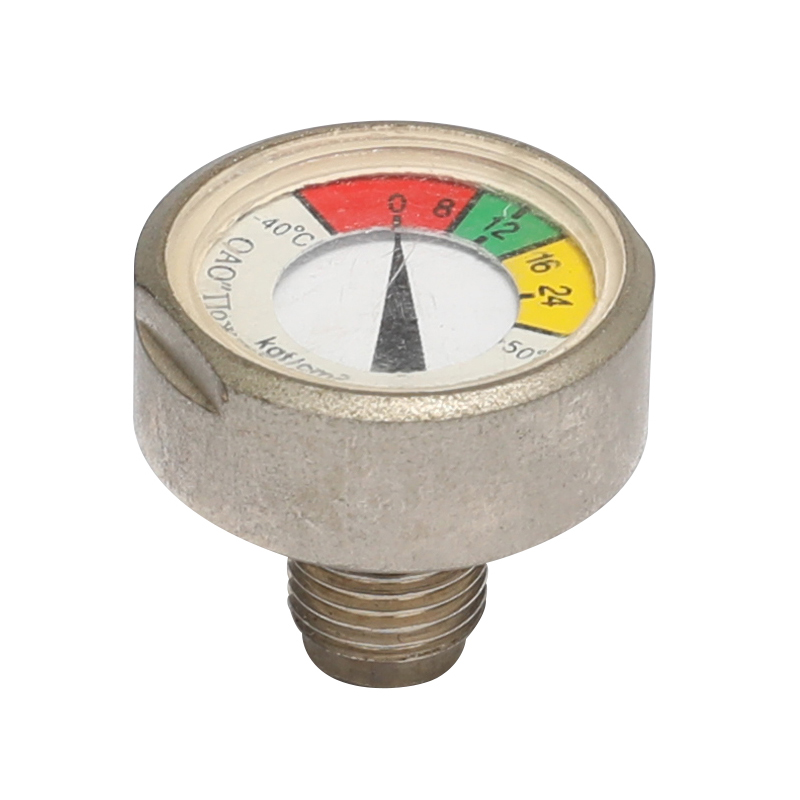
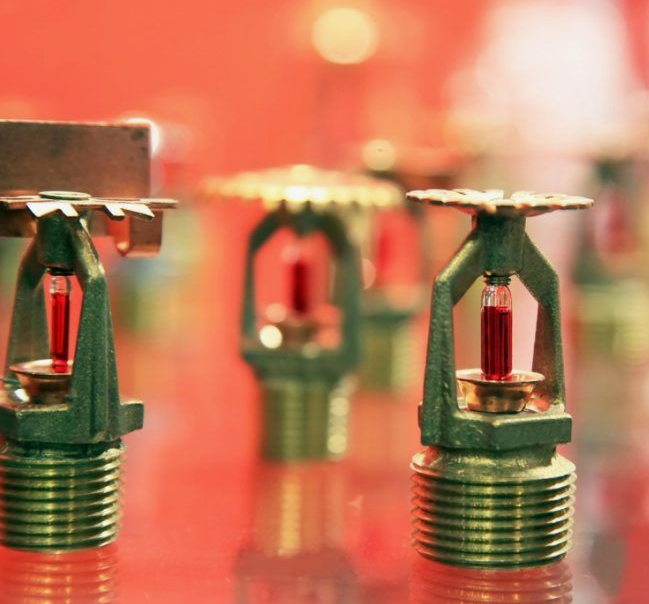
Inlet Thread: M30x1.5
Outlet Thread: G1/8x28
Gauge Connection Thread: M10x1x12.5
Dip Tube Thread: M16x1.5
Pressure Mpa: 2.3-2.8
Check Valve: Valve core
Fire extinguishers are essential safety equipment in every home, office, factory, and public place. They can quickly help extinguish initial fires, reduce property damage, and protect lives. However, fire extinguishers also have an "expiration date." What should we do if a fire extinguisher expires? Can an expired fire extinguisher still be used?
Content
Fire extinguishers are generally marked with a production date and expiration date. Common types of fire extinguishers, such as dry powder extinguishers, carbon dioxide extinguishers, and foam extinguishers, have different expiration dates. Typically, the expiration date of a fire extinguisher is 5 to 10 years, depending on the model and manufacturer. After the expiration date, the effectiveness of the fire extinguisher will gradually decrease, and it may not be able to provide sufficient fire extinguishing capability in critical moments.
However, the expiration date of a fire extinguisher is not a fixed "cutoff date." This means that even if the marked expiration date has passed, whether the fire extinguisher can still be used depends on its specific condition. A fire extinguisher that has been improperly stored or used for a long period may be less effective than some fire extinguishers within their expiration date.
Expired fire extinguishers pose several potential risks, primarily in the following aspects:
Insufficient Pressure: Most fire extinguishers use compressed gas or carbon dioxide. After long-term storage, the gas may leak or lose pressure. Even if it doesn't completely lose pressure, the extinguisher will have insufficient spray force when used, making it ineffective at extinguishing the fire.
Extinguishing Agent Clumping or Segregation: Some fire extinguishers contain extinguishing agents, such as dry powder or foam, which may clump or separate after expiration. This prevents the extinguishing agent from being released evenly during use, thus affecting the fire extinguishing effect.
Difficulty in Operation: Expired fire extinguishers may experience aging of operating parts, such as inaccurate pressure gauges, clogged nozzles, or stuck release valves. These problems directly affect the effectiveness of the fire extinguisher.
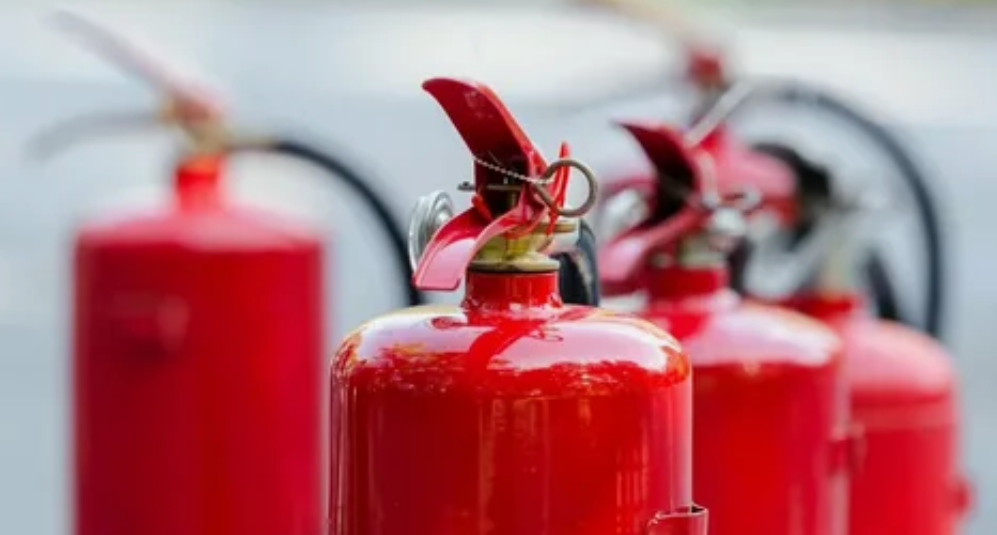
If you suspect your fire extinguisher may be expired, first check the following:
Check the expiration label: Most fire extinguishers will indicate the production date and expiration date on the casing. Check the label to confirm it hasn't expired. Some fire extinguishers also have pressure indicators to show if they are within the "normal" range.
Check the appearance: If the fire extinguisher has obvious damage, rust, or signs of leakage, it is not recommended to use it. While damage to the casing doesn't necessarily mean the extinguishing agent inside is ineffective, corrosion on the exterior may indicate it cannot withstand normal pressure, posing a safety hazard.
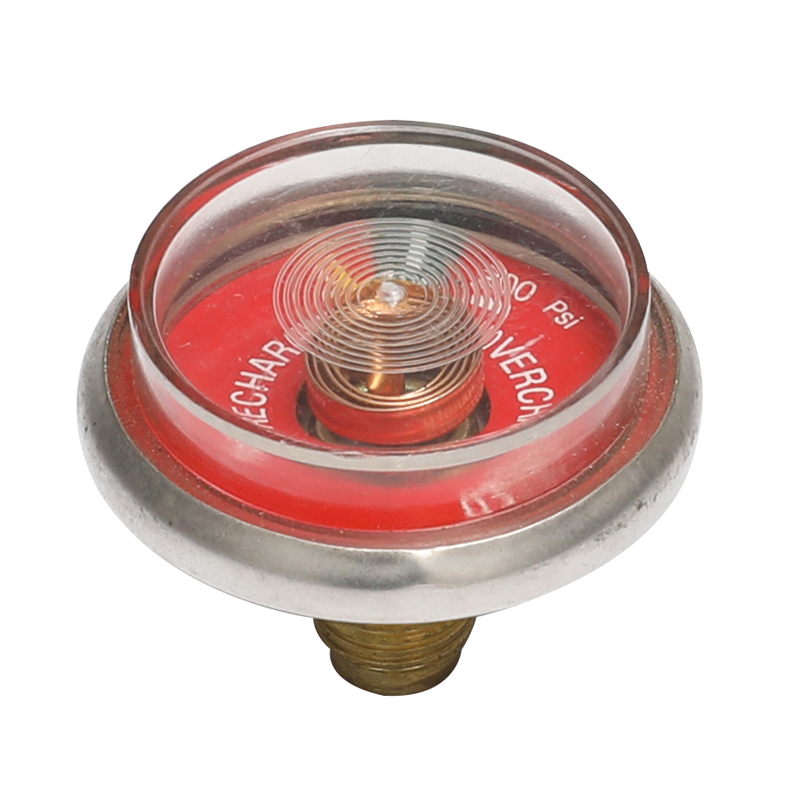
Test the pressure: Check the pressure gauge on the fire extinguisher. If the gauge needle deviates from the green zone or enters the red zone, the internal pressure of the fire extinguisher is insufficient, and it cannot function properly. In this case, the fire extinguisher is no longer effective and needs to be refilled or replaced.
Check the extinguishing agent condition: If the fire extinguisher is a dry powder type, shake it to feel if the powder inside is loose. If the powder is clumped or hardened, it means it has lost its extinguishing effect.
Whether an expired fire extinguisher can still be used depends largely on its condition. If the extinguisher is in good condition, has normal pressure, and the extinguishing agent has not shown signs of clumping or separation, it may still be usable. However, even then, using an expired fire extinguisher carries certain risks, and its effectiveness in a fire cannot be guaranteed.
The best practice is to replace expired fire extinguishers as soon as possible. Especially for older or long-unused fire extinguishers, it is not recommended to risk continuing to use them. Regularly inspecting fire extinguishers and refilling or replacing them as necessary is the best way to ensure safety.
Although fire extinguishers have an expiration date, their lifespan can be extended through proper care and maintenance:
Regular inspection: Inspect the fire extinguisher every few months for problems such as insufficient pressure, damaged casing, or clumping of the extinguishing agent.
Proper storage: Ensure the fire extinguisher is stored in a dry, cool place, avoiding exposure to direct sunlight or extreme temperatures. Excessively high or low temperatures can affect the performance of fire extinguishers.
Regular refilling: If your fire extinguisher uses compressed gas, refill it regularly to ensure its pressure remains within the normal range.
Professional inspection: Schedule a professional fire extinguisher inspection annually, including refilling, adding extinguishing agent, and pressure testing. These inspections ensure the fire extinguisher will function properly in a fire.
Whether an expired fire extinguisher can still be used depends on its actual condition, but to ensure maximum safety in emergencies, the wisest approach is to regularly inspect fire extinguishers and avoid using expired or damaged equipment. Timely replacement of expired fire extinguishers and regular maintenance and inspection are key to ensuring safety.
If you are unsure of the condition of your fire extinguisher or feel it needs replacement, contact a professional repair service provider or purchase a new fire extinguisher.
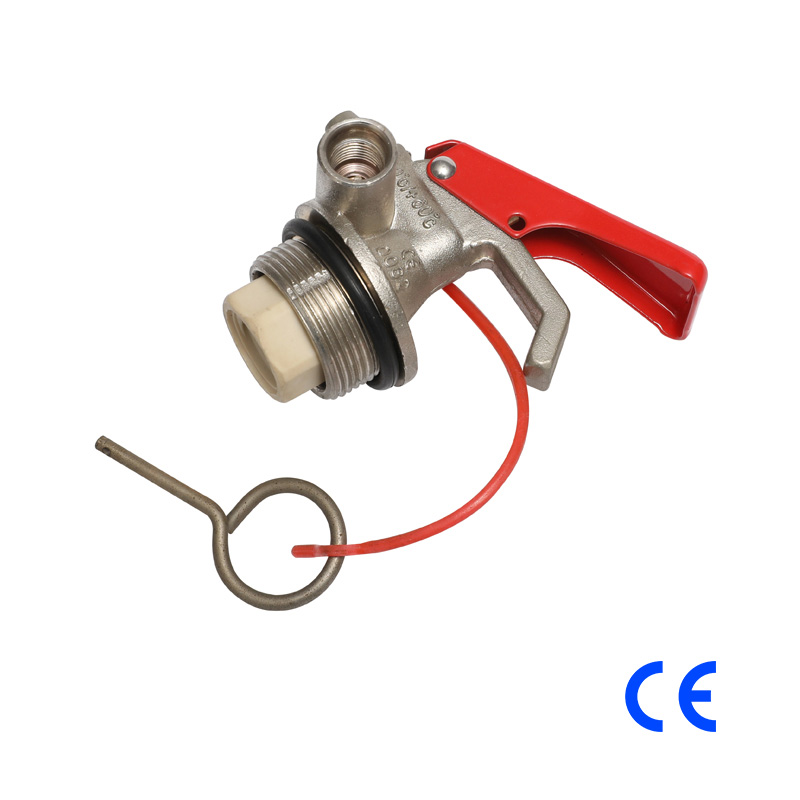
Inlet Thread: M30x1.5
Outlet Thread: G1/8x28
Gauge Connection Thread: M10x1x12.5
Dip Tube Thread: M16x1.5
Pressure Mpa: 2.3-2.8
Check Valve: Valve core
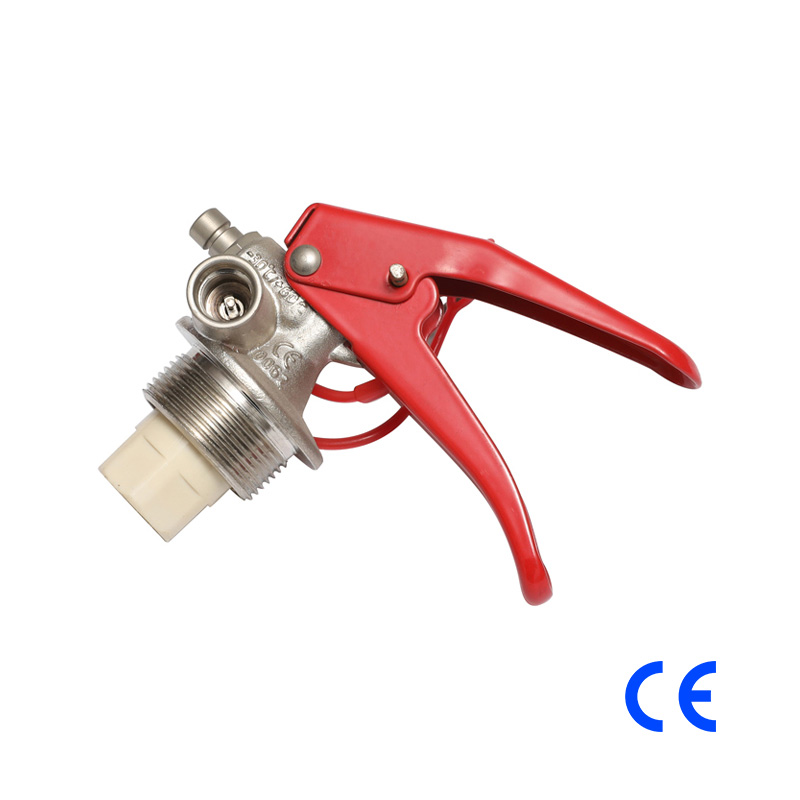
Inlet Thread: M30x1.5
Outlet Thread: G1/8x28
Gauge Connection Thread: M10x1x12.5
Dip Tube Thread: M16x1.5
Pressure Mpa: 2.3-2.8
Check Valve: Valve core
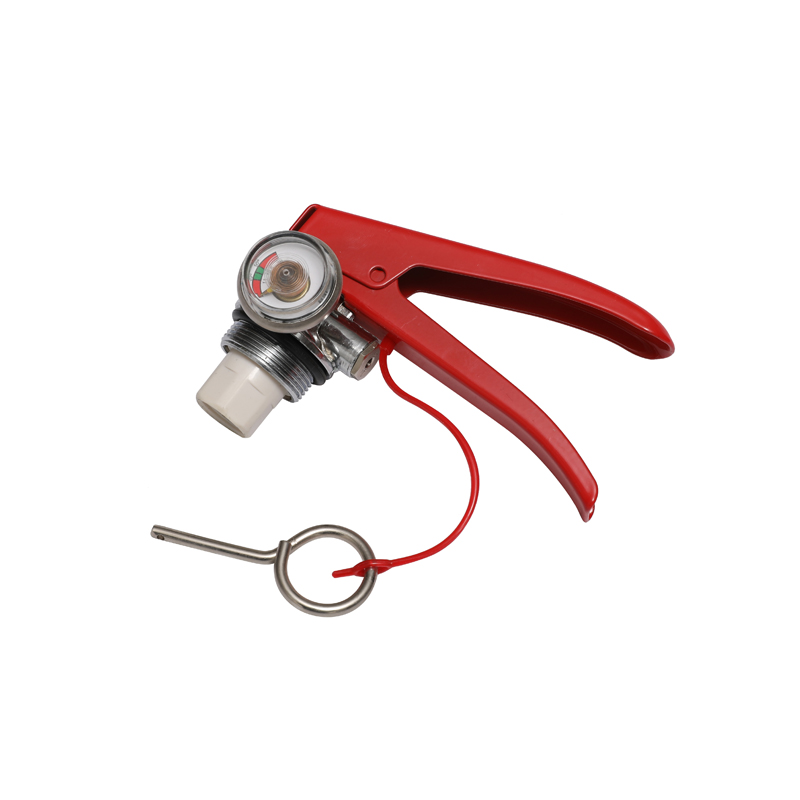
Inlet Thread: M30x1.5
Outlet Thread: G1/4x19
Gauge Connection Thread: NPT1/8x27
Dip Tube Thread: M16x1.5
Pressure Mpa: 2.3-2.8
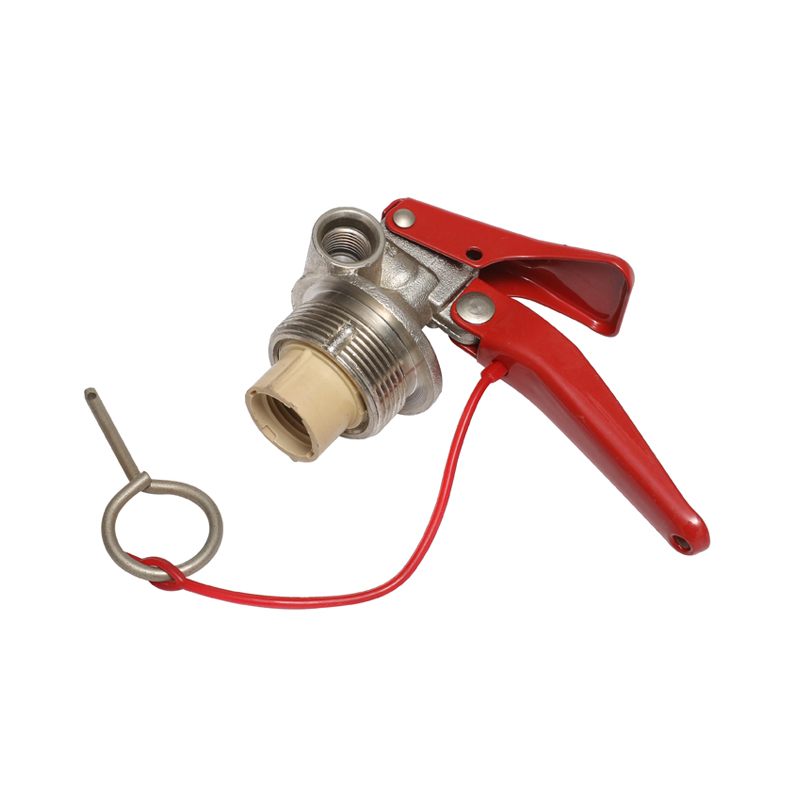
Inlet Thread: M30x1.5
Outlet Thread: G1/8x28
Gauge Connection Thread: M10x1x12.5
Dip Tube Thread: M16x1.5
inquiry
Can Supply Mature And
Stable Products.
Contact Us
Phone: +86-575-82411708
E-mail: sale@newideafire.com
Address: WUFU INDUSTRIAL ZONE, ZHEJIANG,CHINA
Products
Get In Touch


 浙公网安备 33060402001388号