 English
 中文简体
中文简体
 русский

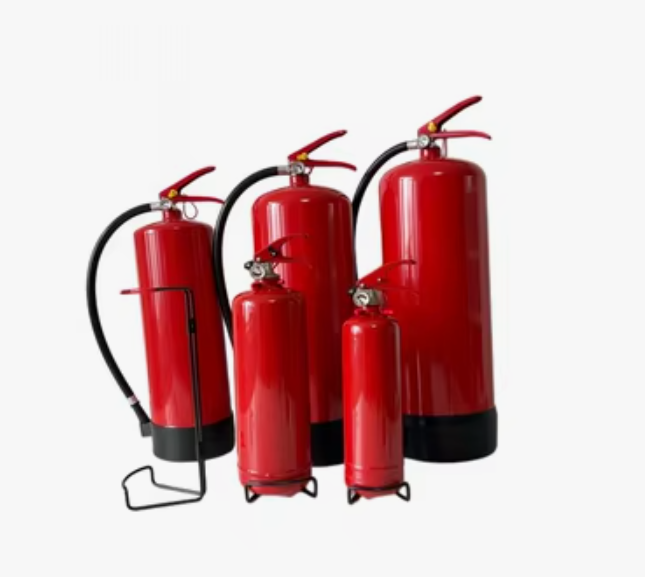

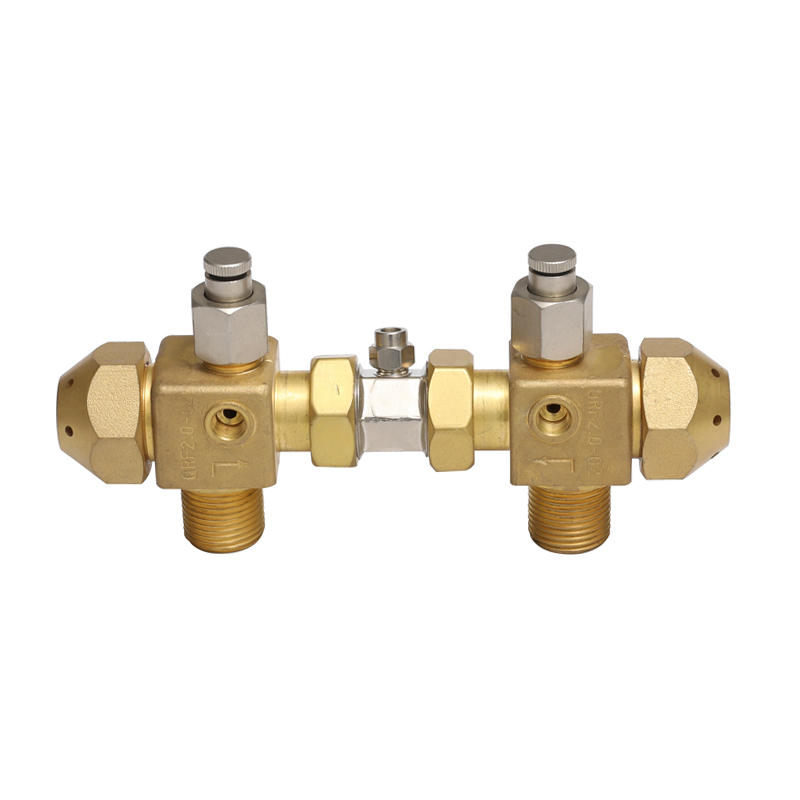
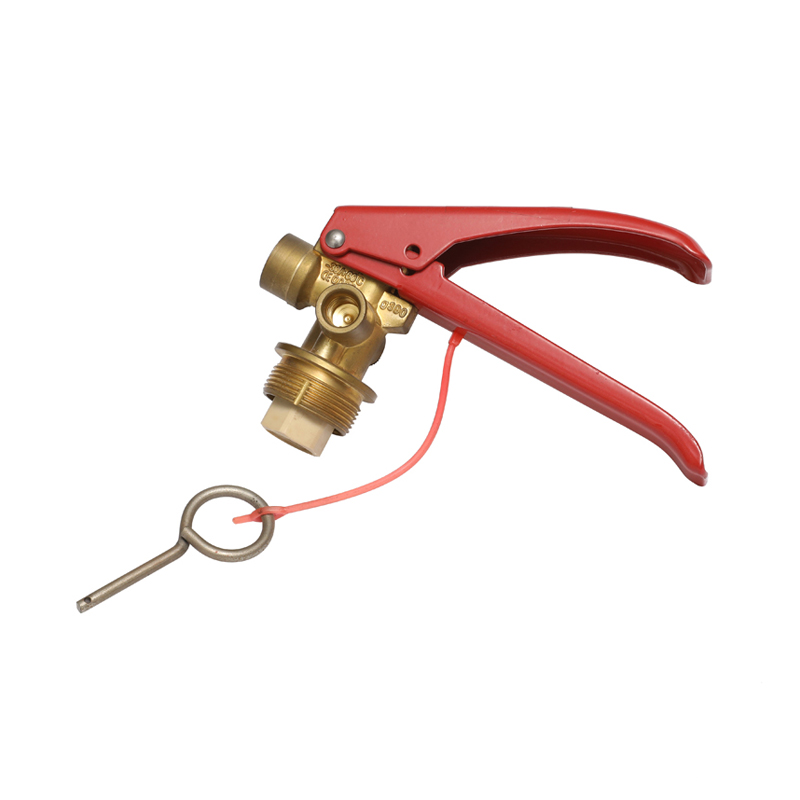
Inlet Thread: M30x1.5
Outlet Thread: G1/4x19
Gauge Connection Thread: NPT1/8x27
Dip Tube Thread: M16x1.5
Pressure Mpa: 2.3-2.8
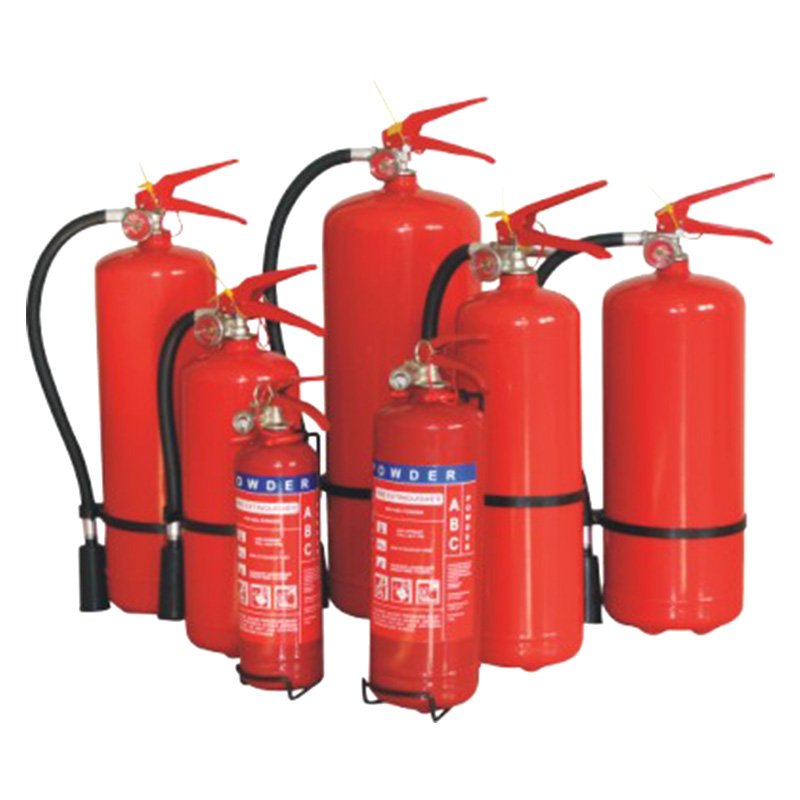
Fire extinguishers are indispensable safety equipment in our daily lives. They can quickly extinguish fires in their early stages, buying valuable time for people. However, many people have misconceptions about using fire extinguishers, which can significantly reduce their effectiveness or even cause danger. To ensure that fire extinguishers can function effectively at critical moments, it is crucial to understand their correct usage and common misconceptions. This article will guide you through the common misconceptions and correct usage of fire extinguishers.
1. Common Misconceptions about Fire Extinguishers
(1) Neglecting Fire Extinguisher Inspection and Maintenance
Many people do not prioritize regular inspection and maintenance after purchasing a fire extinguisher. Fire extinguishers usually work through a pressure system, and neglecting regular checks can lead to pressure drops or leakage of the extinguishing agent. If a fire extinguisher is not properly maintained, it may fail to function during a fire.
Correct practice: Fire extinguishers need to be inspected regularly, at least once a year, to ensure that the pressure gauge shows normal pressure, the extinguishing agent is not expired, and the valve and nozzle are not blocked. If the pressure gauge shows red, or the fire extinguisher has exceeded its expiration date, it should be replaced or refilled promptly.
(2) Randomly Choosing the Type of Fire Extinguisher
There are various types of fire extinguishers, including dry powder fire extinguishers, carbon dioxide fire extinguishers, and foam fire extinguishers. Different types of fire extinguishers are suitable for different types of fires. Many people mistakenly choose the wrong type of fire extinguisher in an emergency, leading to failure to extinguish the fire or even causing a more serious fire.
Correct practice: When choosing a fire extinguisher, you should select it according to the type of fire. Dry powder fire extinguishers are suitable for most household and office fires, especially fires involving grease, wood, or paper; carbon dioxide fire extinguishers are suitable for electrical fires and flammable liquid fires; foam fire extinguishers are suitable for oil fires. Different fire extinguishers are used for different purposes, and choosing the wrong one may exacerbate the spread of the fire.
(3) Improper Use of Fire Extinguishers
In emergencies, many people, due to panic or lack of understanding of how to use a fire extinguisher, do not follow the correct operating procedures. For example, not removing the safety pin or incorrectly spraying the extinguishing agent often fails to effectively extinguish the fire. Correct procedure: When using a fire extinguisher, follow these steps:
Remove the safety pin: Forcefully pull out the safety pin on the fire extinguisher (some fire extinguishers also have a locking clip). This is the first step in activating the fire extinguisher.
Stand firm and hold the fire extinguisher: Point the nozzle of the fire extinguisher at the source of the fire, maintain a certain distance, stand firm, and prepare to spray.
Press the fire extinguisher handle: Press the handle firmly to spray the extinguishing agent. Aim at the base of the fire, not blindly at the flames above.
Sweep from side to side: Keep the nozzle pointed at the base of the fire, and sweep the fire extinguisher from side to side to ensure that the extinguishing agent evenly covers the fire source.
(4) Ignoring evacuation routes
When using a fire extinguisher to put out a fire, many people are too focused on extinguishing the fire and neglect their own safety. The fire scene can change at any time, and the fire can spread rapidly. Therefore, when using a fire extinguisher, always keep the evacuation route clear to ensure that you can quickly evacuate if the fire cannot be extinguished.
Correct procedure: When using a fire extinguisher, always ensure there is a clear evacuation route. If the fire is large or cannot be extinguished, evacuate immediately and call emergency services for help. Do not put yourself in danger by trying to extinguish the fire.
(5) Misusing fire extinguishers
When faced with electrical fires or oil fires, many people mistakenly spray ordinary fire extinguishers on electrical equipment or oil fires. This practice not only fails to extinguish the fire but may also cause electrical short circuits or oil fire explosions.
Correct procedure: For electrical fires, use a carbon dioxide fire extinguisher or a dry powder fire extinguisher, avoiding water-based fire extinguishers; for oil fires, use a foam fire extinguisher or a dry powder fire extinguisher, and never use water to extinguish oil fires, as this may cause the fire to spread.
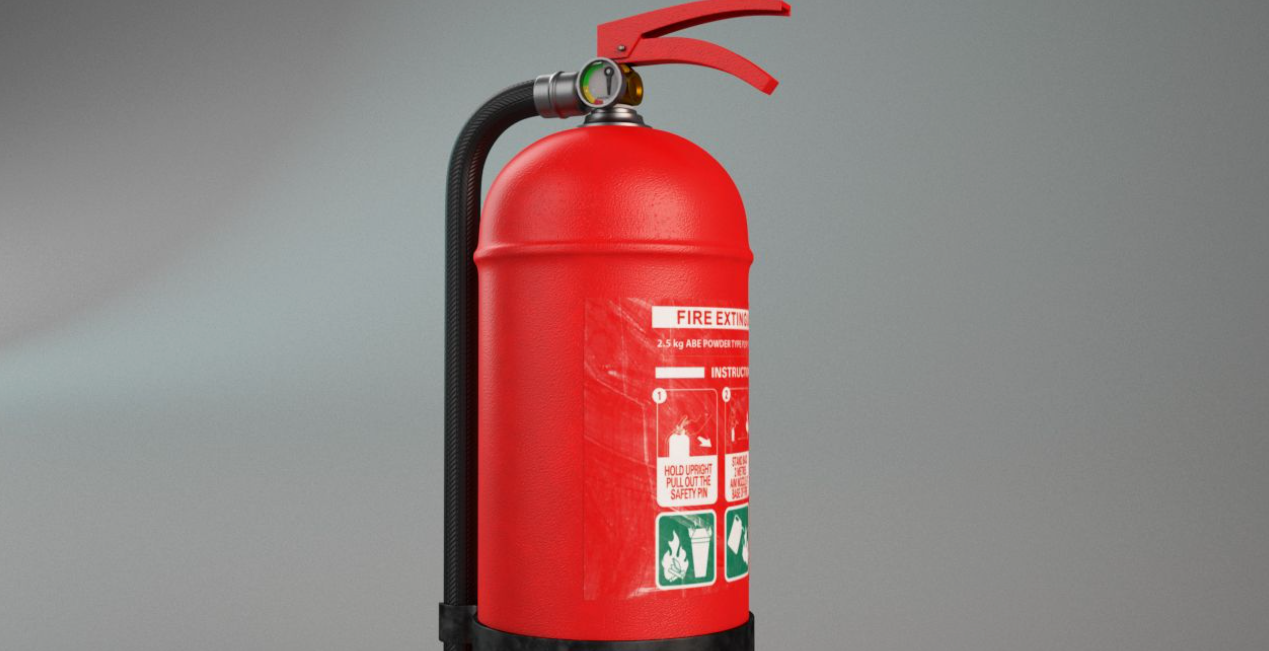
2. Steps for correctly using a fire extinguisher
Check the fire extinguisher: Regularly check the pressure gauge of the fire extinguisher to ensure that it is in normal working condition. Check if the fire extinguisher is expired or damaged, and replace or refill it if necessary.
Remove the safety pin: When using a fire extinguisher, the first step is to remove the safety pin or locking clip. This is a prerequisite for ensuring that the fire extinguisher works properly. Aim at the base of the fire: Stand on the upwind side of the fire source, ensuring you can operate the fire extinguisher from a safe location. Point the nozzle at the base of the fire, not the top of the flames, for more effective fire suppression.
Press the handle and begin spraying: Firmly press the handle of the fire extinguisher to begin spraying the extinguishing agent. Continue spraying and swinging the nozzle from side to side until the fire is completely extinguished.
Maintain a safe distance: Maintain a safe distance from the fire source to avoid flame splashes or flare-ups after the fire is extinguished.
Evacuate immediately: If the fire cannot be extinguished, or the fire suddenly intensifies, immediately evacuate the scene and call emergency services for assistance.
3. Frequently Asked Questions (FAQ)
Q1: What is the effective lifespan of a fire extinguisher?
A1: Fire extinguishers usually have an effective lifespan of 5 to 10 years. After this period, they need to be refilled or replaced. The specific lifespan depends on the type, brand, and manufacturing date of the fire extinguisher. Regular checks of the expiration date are recommended.
Q2: How do I know if a fire extinguisher is suitable for electrical fires?
A2: Fire extinguishers are marked with the types of fires they are suitable for. Electrical fires should be extinguished with carbon dioxide or dry chemical fire extinguishers, and water-based extinguishers should be avoided, as water can cause electrical short circuits.
Q3: How far away should I stand when using a fire extinguisher?
A3: When using a fire extinguisher, you should maintain a distance of 1-2 meters from the fire source. If the fire is large or uncontrollable, immediately evacuate the scene.
Q4: How do I maintain a fire extinguisher?
A4: Fire extinguisher maintenance includes regularly checking the pressure gauge, ensuring there are no leaks, ensuring the nozzle is not blocked, and regularly refilling or replacing expired fire extinguishers.
Q5: What should I do if the fire extinguisher doesn't spray extinguishing agent?
A5: If the fire extinguisher doesn't spray extinguishing agent, it may be due to insufficient pressure, internal blockage, or damage. In this case, the fire extinguisher should be replaced immediately or professional repair should be sought.
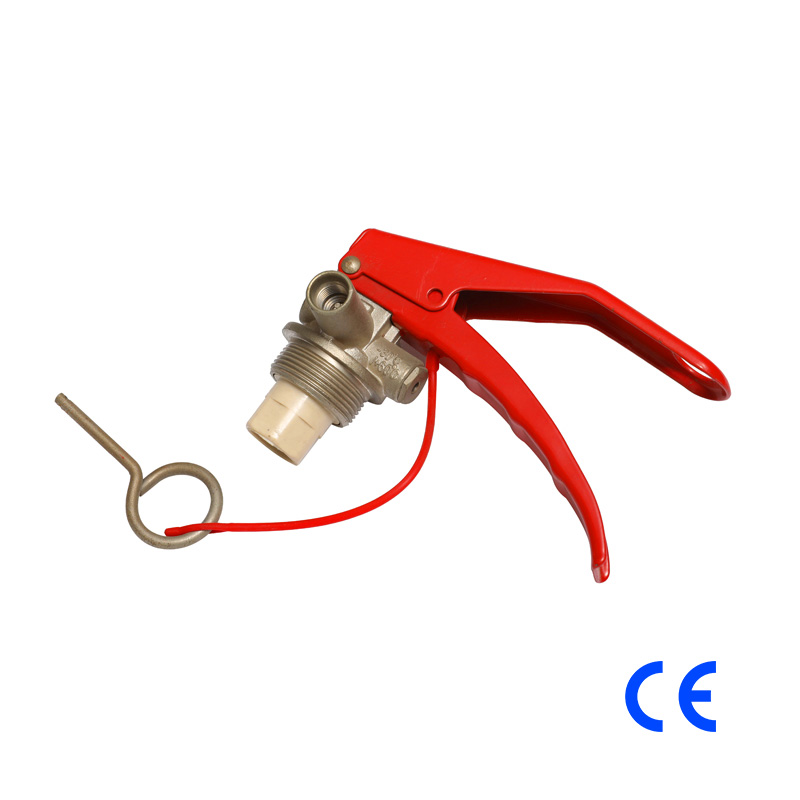
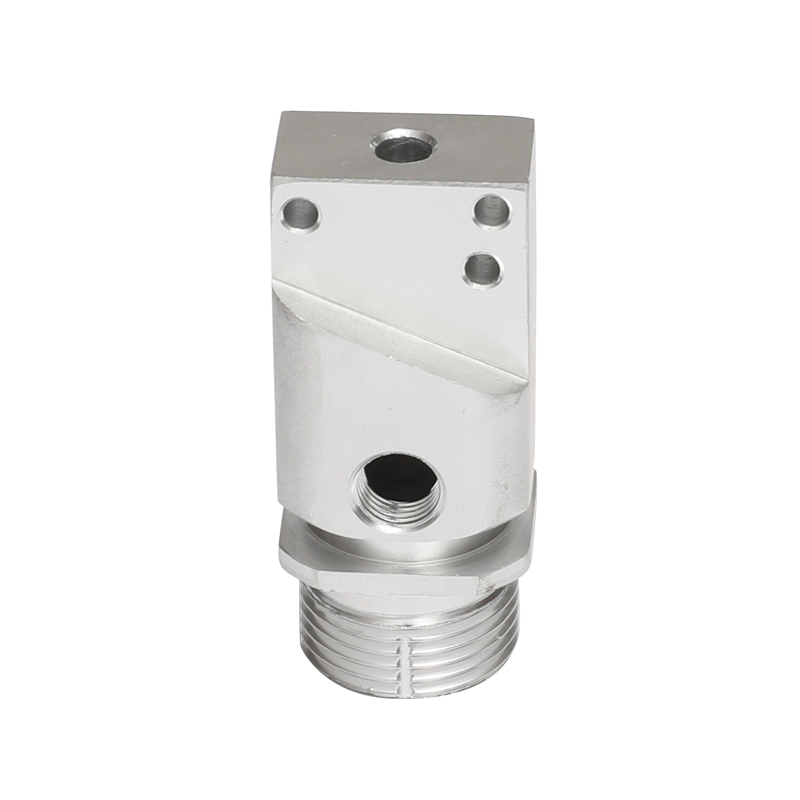
Inlet Thread: M30x1.5
Outlet Thread: G1/4x19
Gauge Connection Thread: NPT1/8x27
Dip Tube Thread: M16x1.5
Pressure Mpa: 2.3-2.8
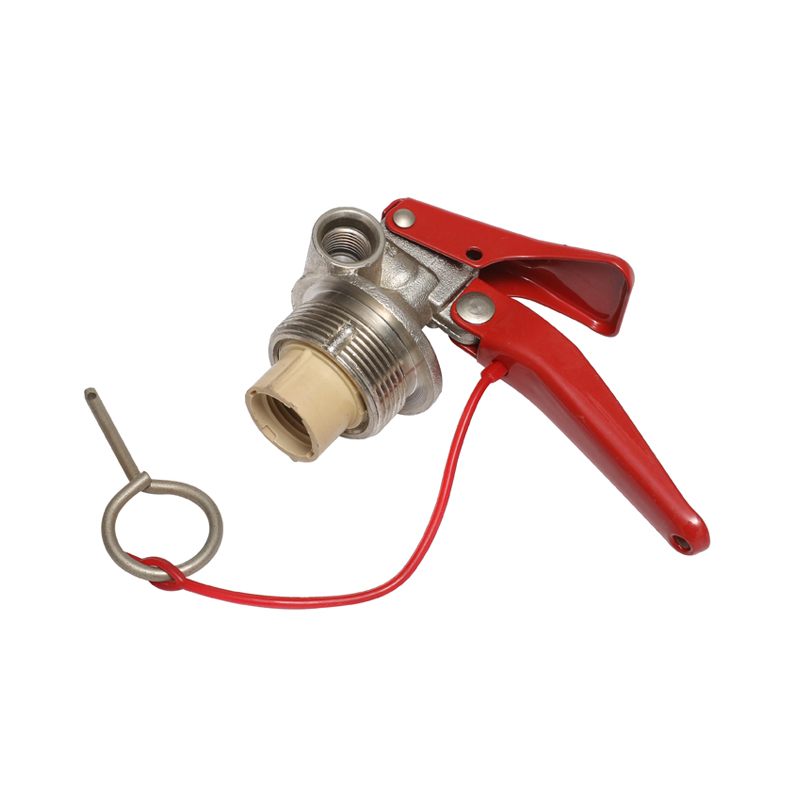
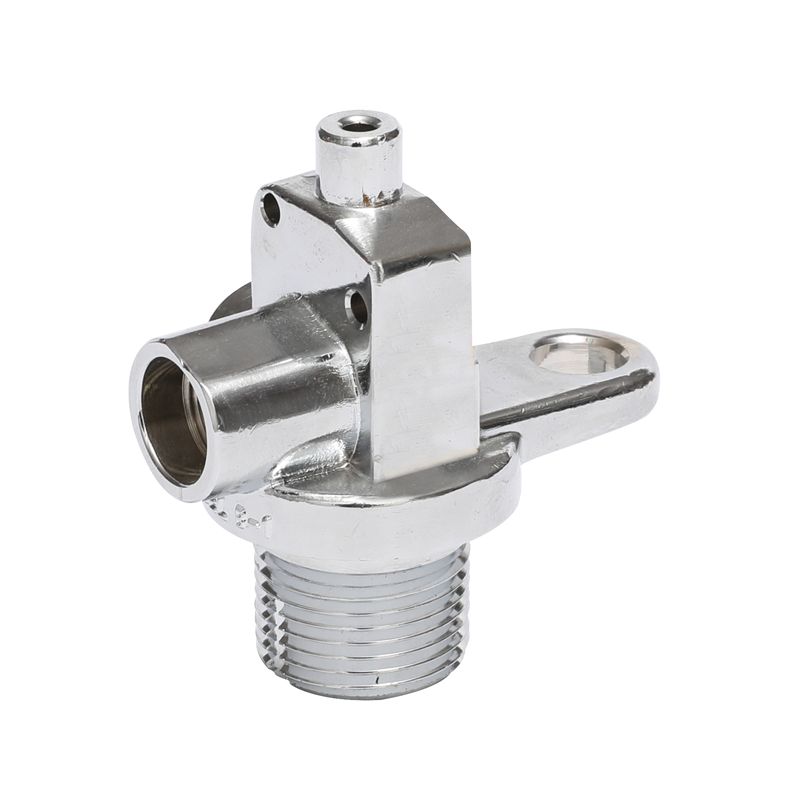
Inlet Thread: M30x1.5
Outlet Thread: G1/8x28
Gauge Connection Thread: M10x1x12.5
Dip Tube Thread: M16x1.5
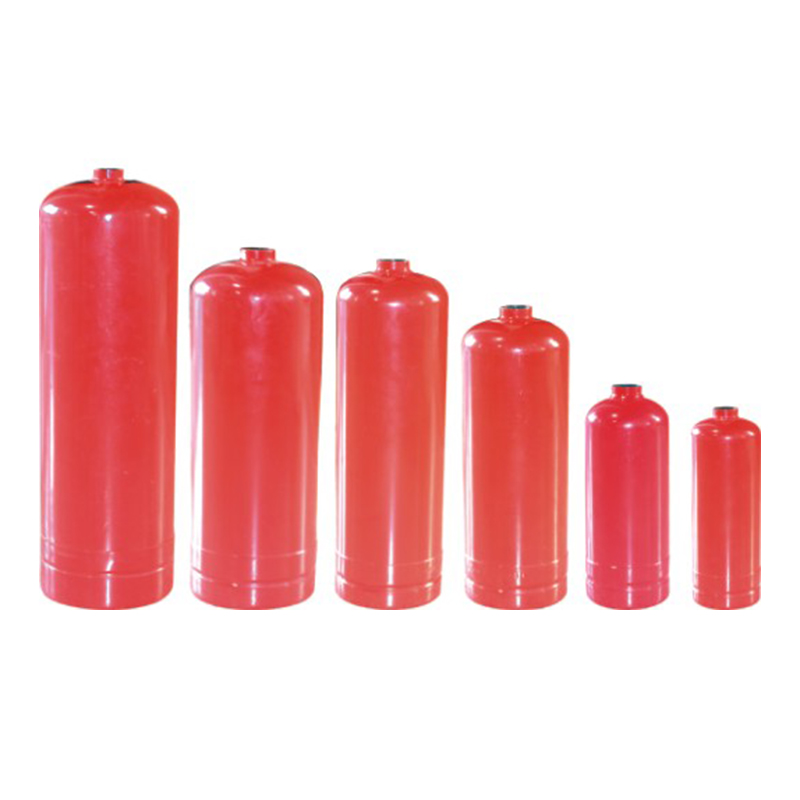
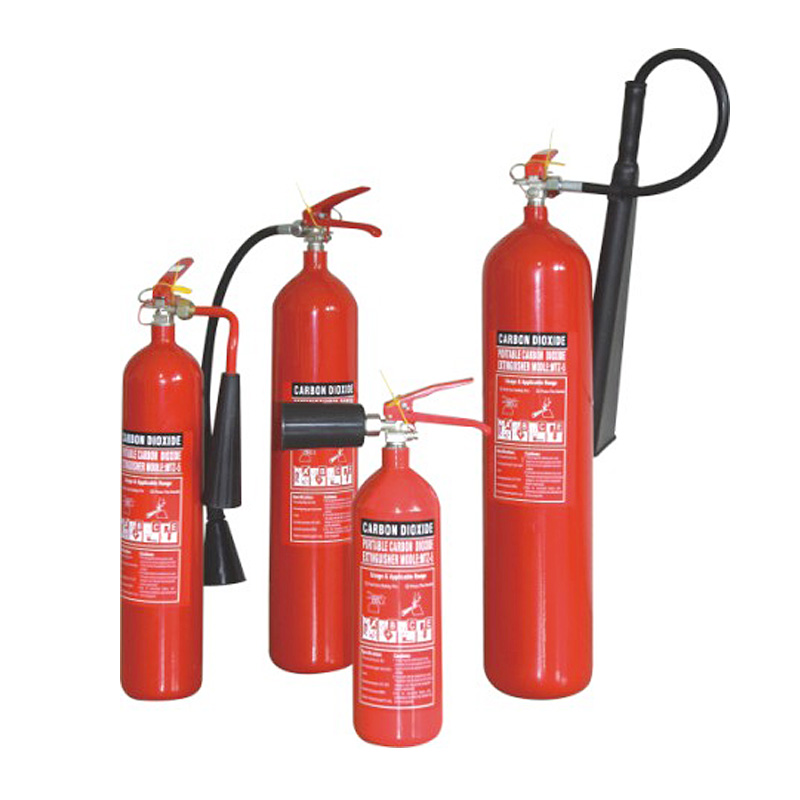
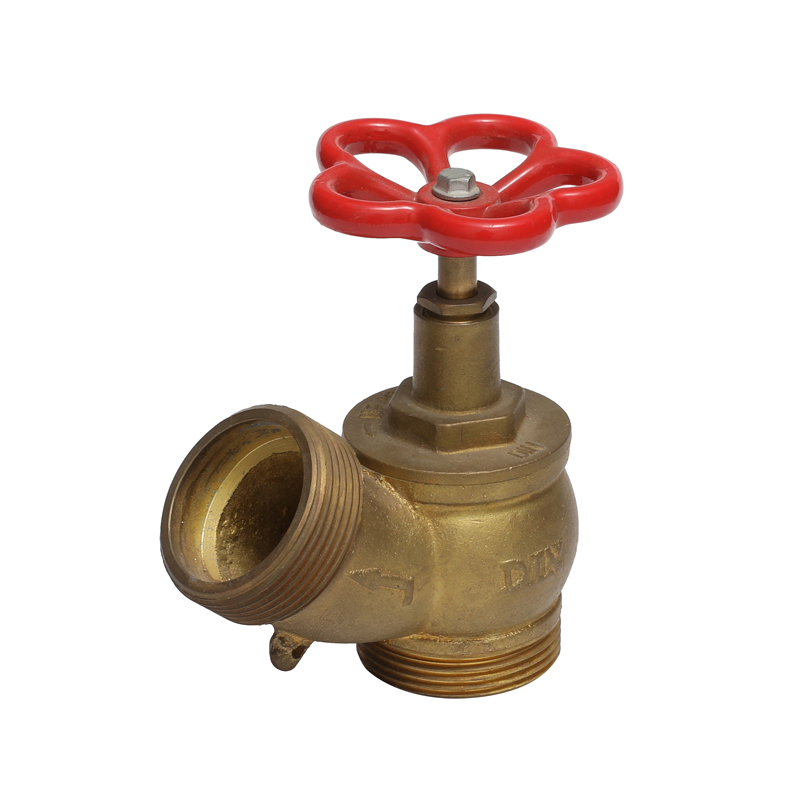
Inlet Thread: M30x1.5
Outlet Thread: G1/8x28
Gauge Connection Thread: M10x1x12.5
Dip Tube Thread: M16x1.5
inquiry
Can Supply Mature And
Stable Products.
Contact Us
Phone: +86-575-82411708
E-mail: sale@newideafire.com
Address: WUFU INDUSTRIAL ZONE, ZHEJIANG,CHINA
Products
Get In Touch


 浙公网安备 33060402001388号