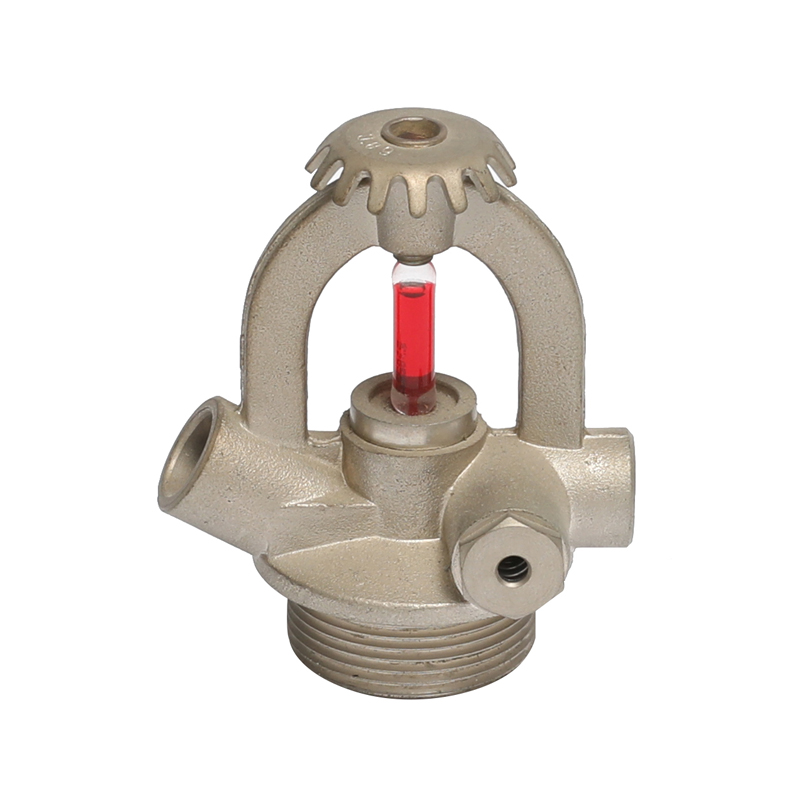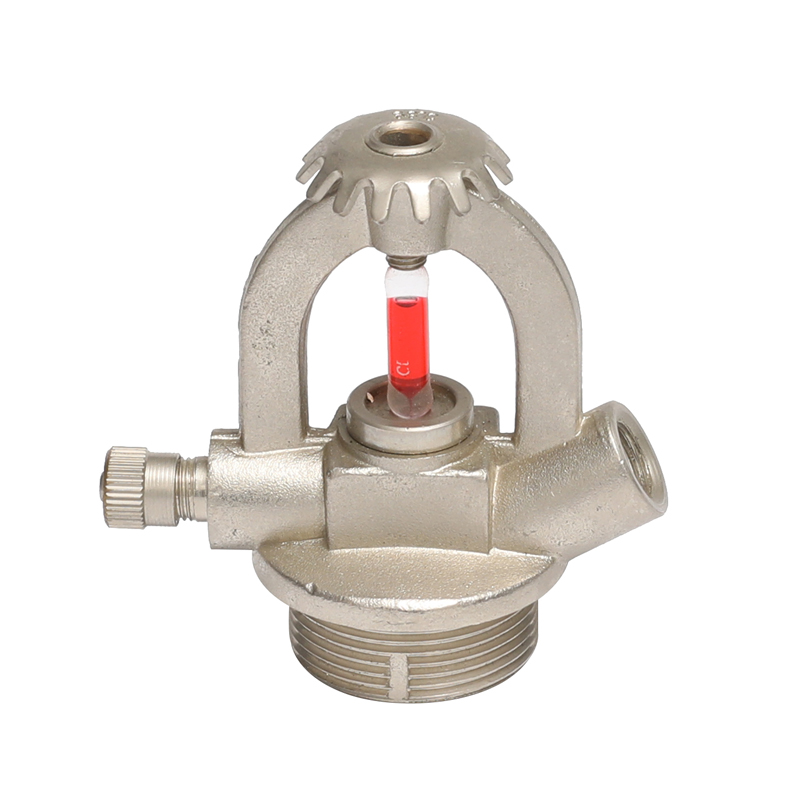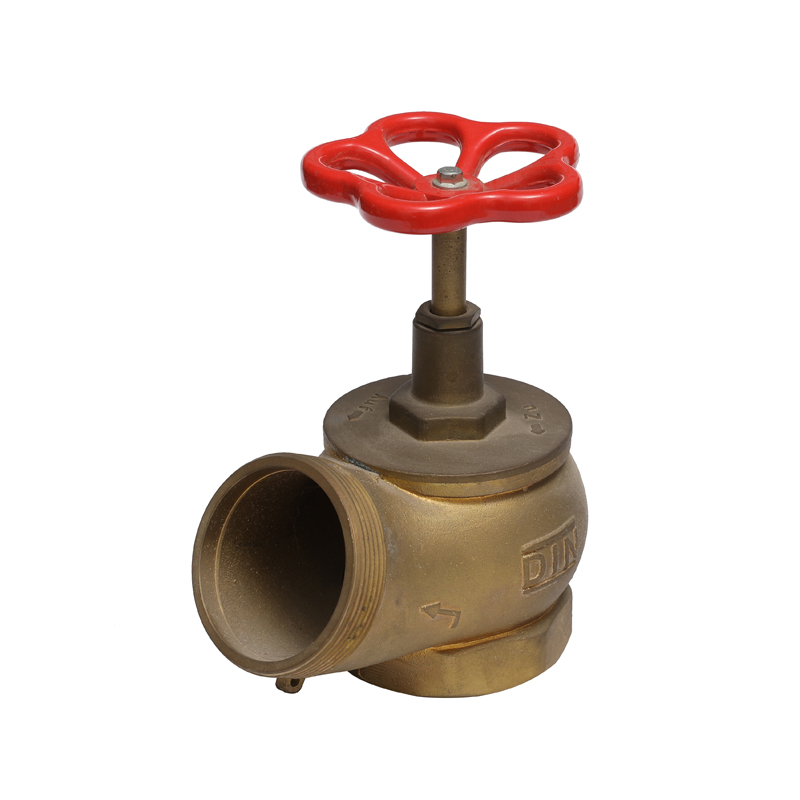
 English
 中文简体
中文简体
 русский

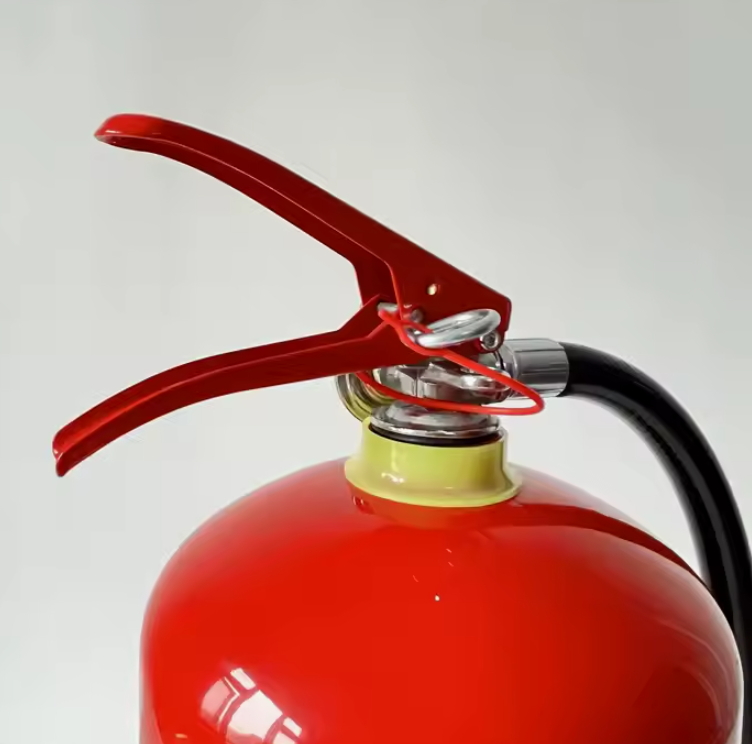
Inlet Thread: M30x1.5
Outlet Thread: G1/8x28
Gauge Connection Thread: M10x1x12.5
Dip Tube Thread: M16x1.5
Pressure Mpa: 2.3-2.8
Check Valve: Valve core
Fire extinguishers are one of the most basic and crucial pieces of fire safety equipment, essential in homes, offices, factories, schools, and public places. However, many fire extinguishers fail to work properly when needed, causing delays and even serious safety accidents. So, what exactly causes fire extinguisher failure?
Fire extinguishers may seem simple, but their internal structure is complex, and any minor issue can lead to failure. The following are the most common causes of malfunction:
(1) Insufficient or excessive pressure
Most fire extinguishers (such as dry powder extinguishers) require stable internal pressure to operate.
Insufficient pressure may be caused by:
The cylinder not being refilled for a long time
Aging seals leading to pressure leakage
Minor internal leaks not being detected in time
Excessive pressure is equally dangerous:
Expansion due to high temperatures
Improper operation during refilling
Whether the pressure is too high or too low, it can cause the fire extinguisher to fail to spray or even burst.
(2) Ineffective extinguishing agent
Different fire extinguishers use different extinguishing agents, such as dry powder, carbon dioxide, and water-based agents, each with its own expiration date.
Factors leading to ineffective extinguishing agents include:
Prolonged exposure to moisture (dry powder clumping)
Exceeding the manufacturer's specified lifespan
Corrosion of the inner wall of the cylinder leading to moisture in the dry powder
Lack of annual inspection and refurbishment
Fire extinguishers with ineffective extinguishing agents may appear intact, but they cannot spray effective substances.
(3) Clogged nozzle or spray tube
A clogged nozzle is another common reason why fire extinguishers fail to spray.
Sources of blockage include:
Dust, cobwebs, oil stains
Dry powder clumping due to moisture
Failure to clean residue after use
Accumulation of dust due to long periods of disuse
Once the nozzle is clogged, even with normal pressure, the extinguishing agent cannot be sprayed.
(4) Safety pin rusted or unable to be pulled out
The safety pin of a fire extinguisher is an important structure to prevent accidental activation, but if it is severely corroded, it will be impossible to pull it out in an emergency, thus preventing the fire extinguisher from being activated. Common Causes:
Prolonged exposure to humid environments
Metal rusting
Dust accumulation
Damaged cover allowing moisture ingress
Many fire extinguishers appear normal on the outside, but the safety pin is completely "stuck."
(5) Damaged or aged valve
Fire extinguisher valves are subjected to pressure and chemical corrosion over time. If the material is not durable, it can lead to:
Improper sealing causing leakage
Inability to open and spray
Valve locking after opening, preventing spraying or causing continuous spraying
The valve is one of the core components of a fire extinguisher; once damaged, it is almost equivalent to the fire extinguisher being scrapped.
(6) Improper storage environment for fire extinguishers
The storage environment of fire extinguishers directly affects their lifespan.
Common incorrect storage methods that lead to failure:
Placed in direct sunlight (leading to pressure expansion)
Placed in overheated areas or near electrical appliances
Placed in humid environments (leading to corrosion and rusting)
Placed directly on the ground and soaked in water
Many fire extinguishers fail not due to aging from use, but because they are "destroyed by the environment."
(7) Not inspected annually or exceeding the service life
According to fire safety standards, fire extinguishers should:
Be inspected annually
Undergo a hydrostatic pressure test every three or five years (depending on the type of fire extinguisher)
Be scrapped after the prescribed service life
Many places have installed fire extinguishers, but have never maintained them, leading to:
Expired extinguishing agent
Insufficient pressure
Internal corrosion
Damaged locks or valves
These types of fire extinguishers are the most dangerous; they appear normal but are completely ineffective.
(8) Fire extinguisher has been used but not refilled
Some fire extinguishers have been used, but because their appearance has not changed, they are still hung up as "usable."
In fact, even a very short spray requires refilling.
These "used but not refilled" fire extinguishers will inevitably fail in a fire.
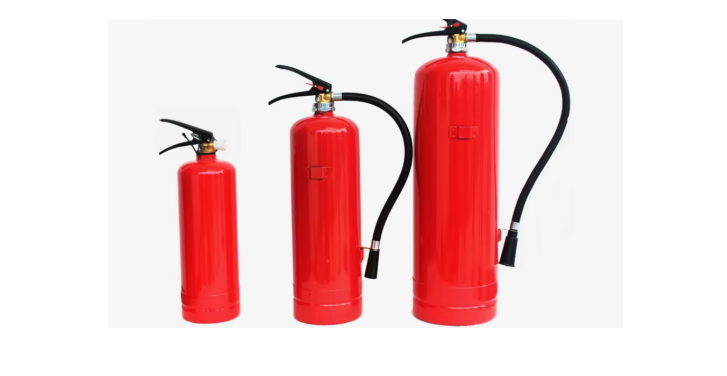
The failure of a fire extinguisher not only prevents the control of initial fires but can also lead to more serious consequences:
Small fires can escalate into large fires, losing the best opportunity for extinguishing them.
Fire spread can lead to greater property damage.
It can affect the safety of personnel evacuation.
Businesses may violate fire safety regulations and face penalties.
Factories and warehouses may experience major accidents due to fire extinguisher failure.
Timely maintenance of fire extinguishers is not only a responsibility but also a legal requirement.
Here are the most practical and effective preventive measures:
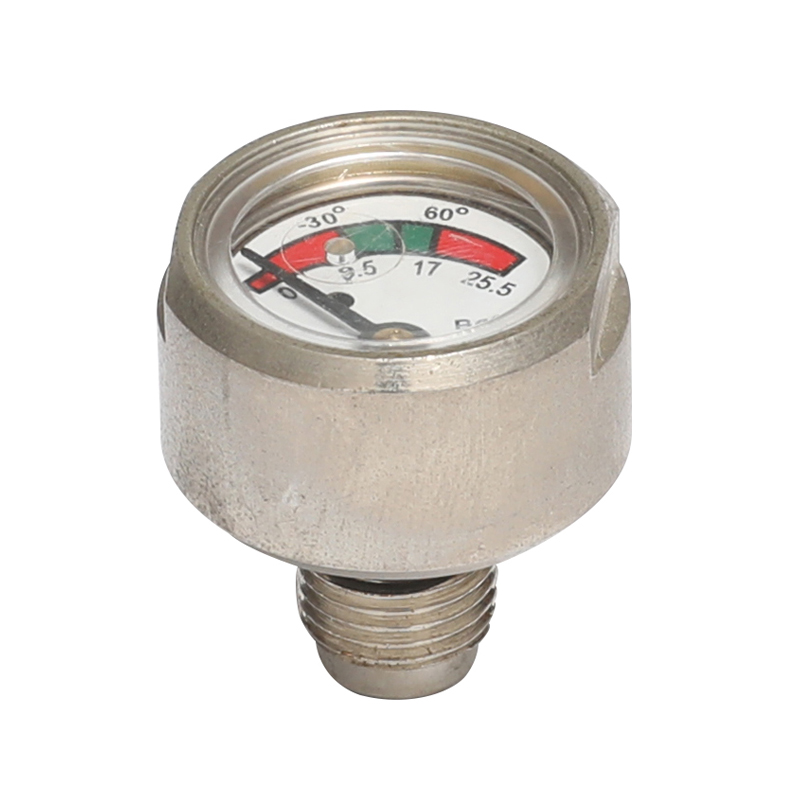
(1) Regularly check the pressure gauge
Ensure the pointer is in the green zone.
Check once a month.
(2) Check if the nozzle is blocked
Gently tap to ensure there are no hard lumps, dust, or cobwebs.
(3) Ensure the safety pin can be easily removed
Gently pull to check, but do not remove it completely.
(4) Keep the storage environment dry and cool
Avoid direct sunlight, humidity, and overheating.
(5) Have a professional agency inspect it annually
This includes weight checks, pressure checks, and fire extinguishing agent effectiveness tests.
(6) Fire extinguishers must be scrapped after their service life expires
Different models have different service lives, generally 8-10 years.
(7) They must be refilled after use
Even if it was only sprayed for 1 second, it must be refilled.
(8) Create a "Fire Extinguisher Maintenance Record Sheet"
Suitable for offices, factories, schools, and other settings.
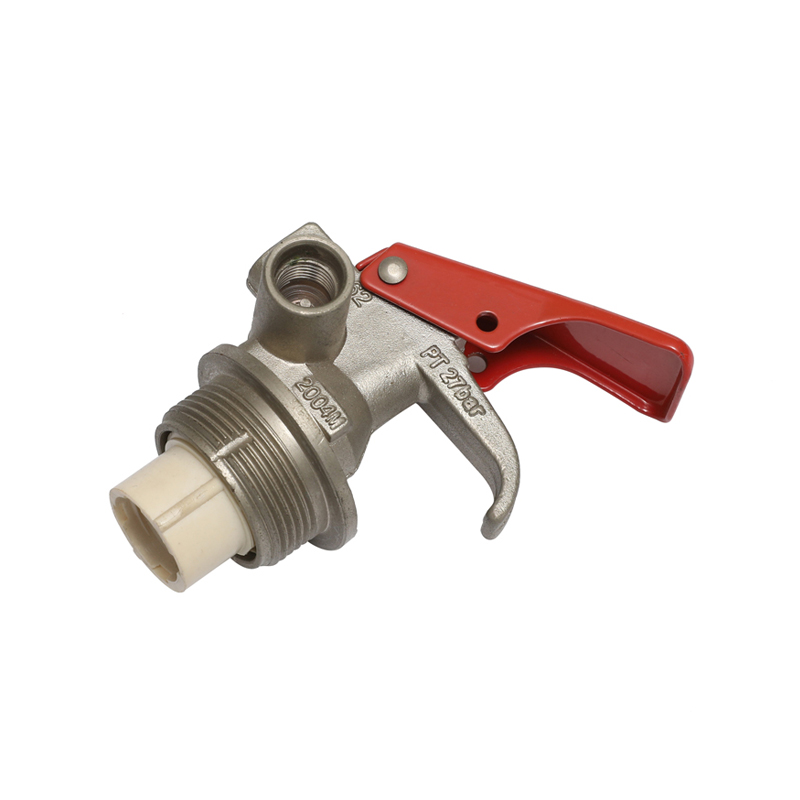
Inlet Thread: M30x1.5
Outlet Thread: G1/8x28
Gauge Connection Thread: M10x1x12.5
Dip Tube Thread: M16x1.5
Pressure Mpa: 2.3-2.8
Check Valve: Valve core
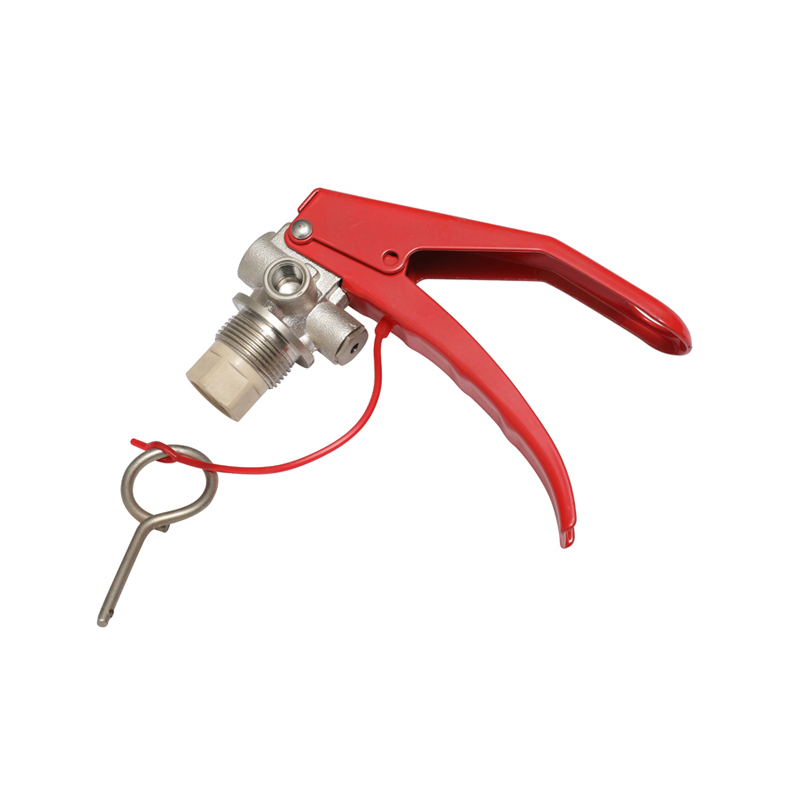
Inlet Thread: M30x1.5
Outlet Thread: G1/4x19
Gauge Connection Thread: NPT1/8x27
Dip Tube Thread: M16x1.5
Pressure Mpa: 2.3-2.8
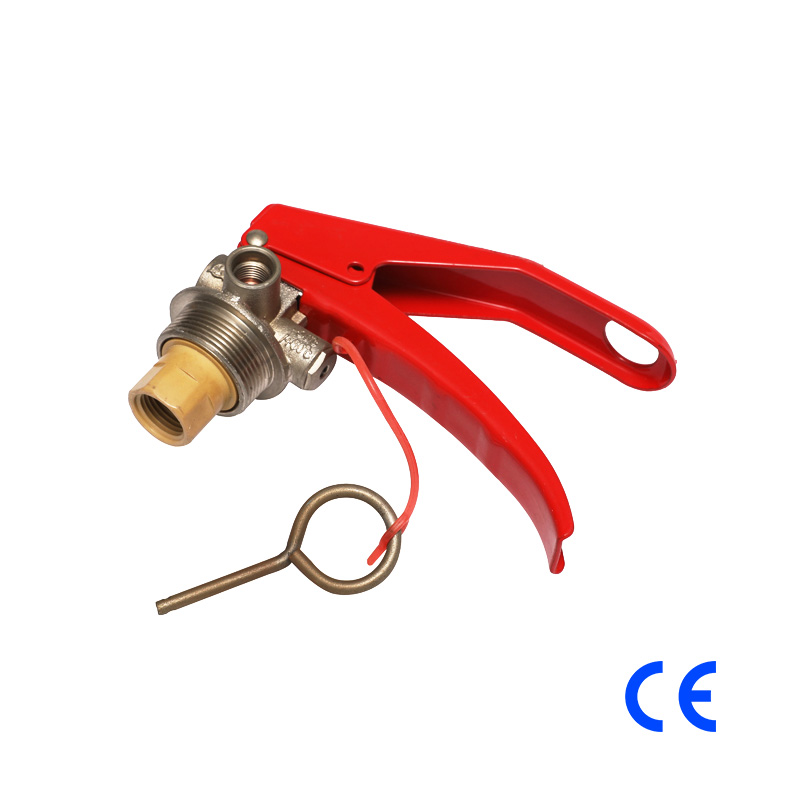
Inlet Thread: M30x1.5
Outlet Thread: G1/4x19
Gauge Connection Thread: NPT1/8x27
Dip Tube Thread: M16x1.5
Pressure Mpa: 2.3-2.8
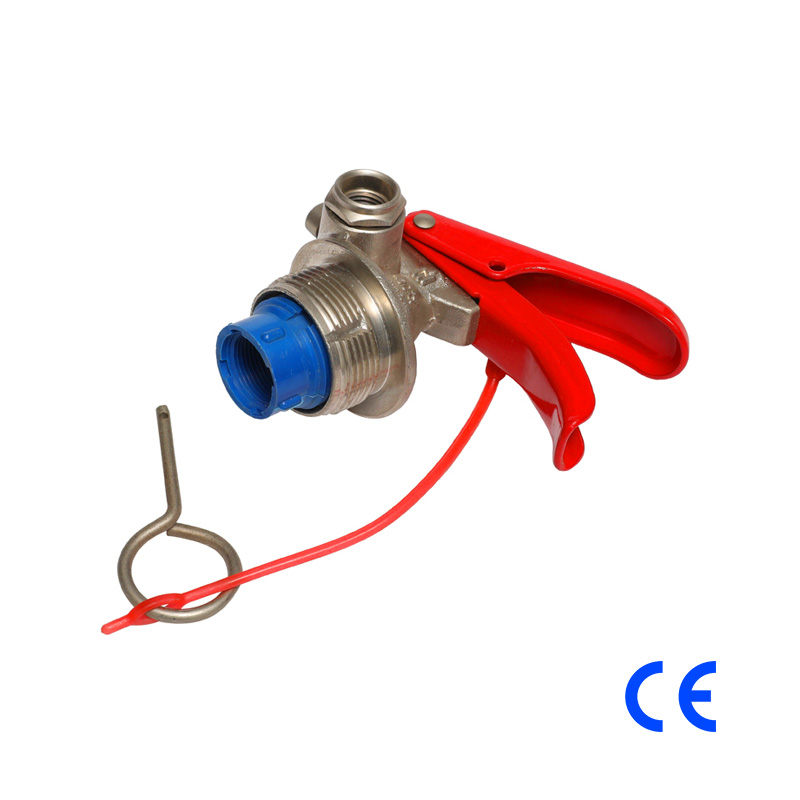
Inlet Thread: M30x1.5
Outlet Thread: G1/8x28
Gauge Connection Thread: M10x1x12.5
Dip Tube Thread: M16x1.5
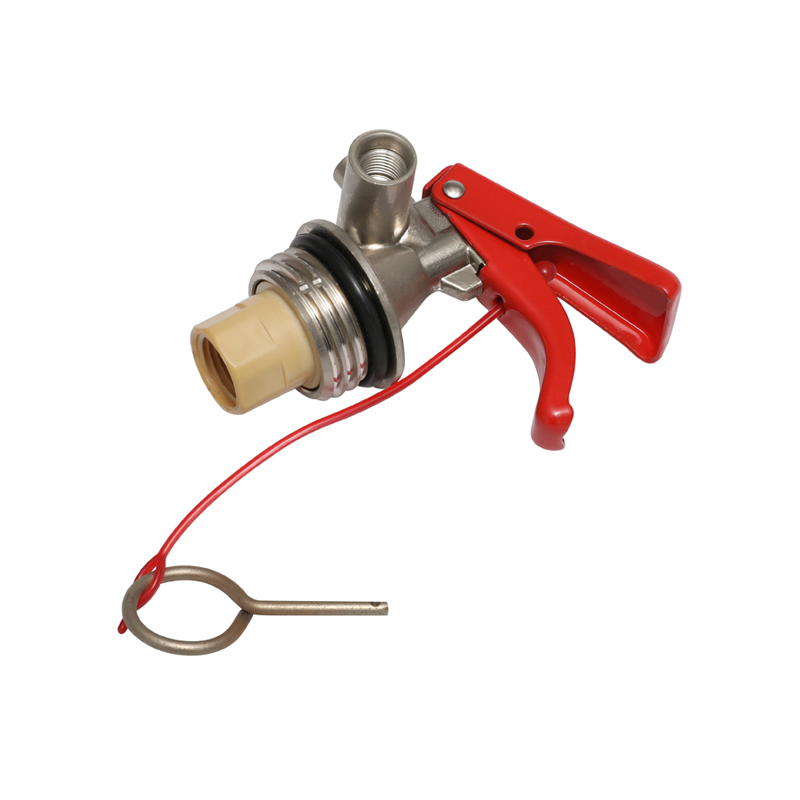
Inlet Thread: M30x1.5
Outlet Thread: G1/8x28
Gauge Connection Thread: M10x1x12.5
Dip Tube Thread: M16x1.5
inquiry
Can Supply Mature And
Stable Products.
Contact Us
Phone: +86-575-82411708
E-mail: sale@newideafire.com
Address: WUFU INDUSTRIAL ZONE, ZHEJIANG,CHINA
Products
Get In Touch


 浙公网安备 33060402001388号