 English
 中文简体
中文简体
 русский

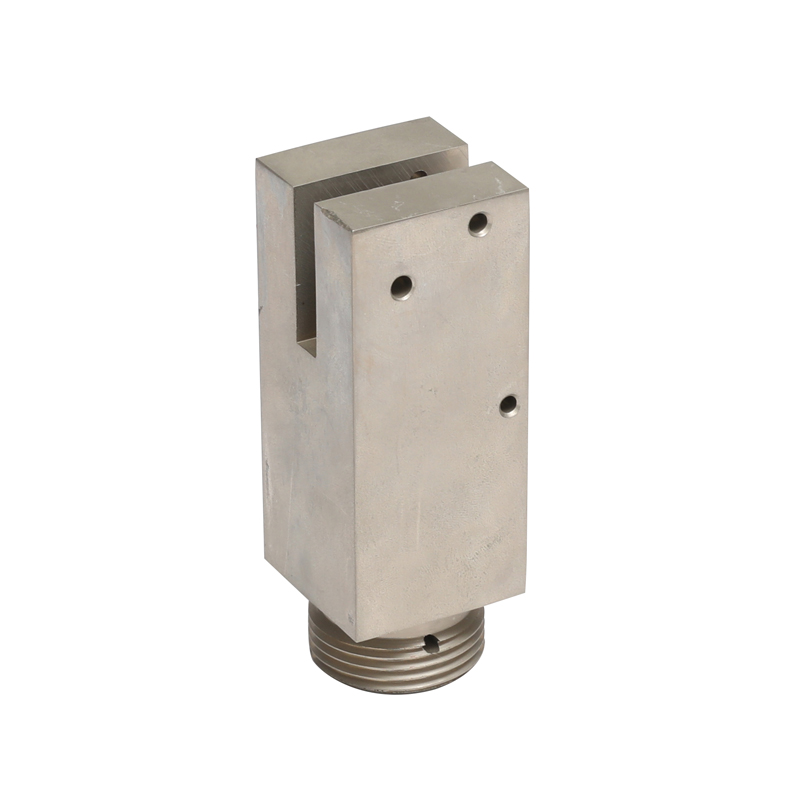
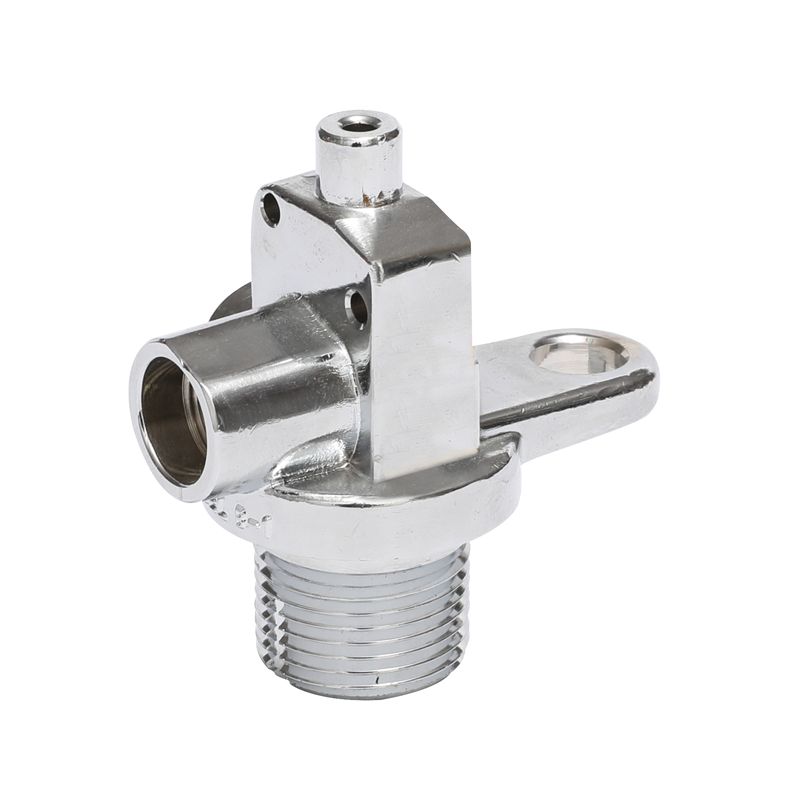
Inlet Thread: M30x1.5
Outlet Thread: G1/4x19
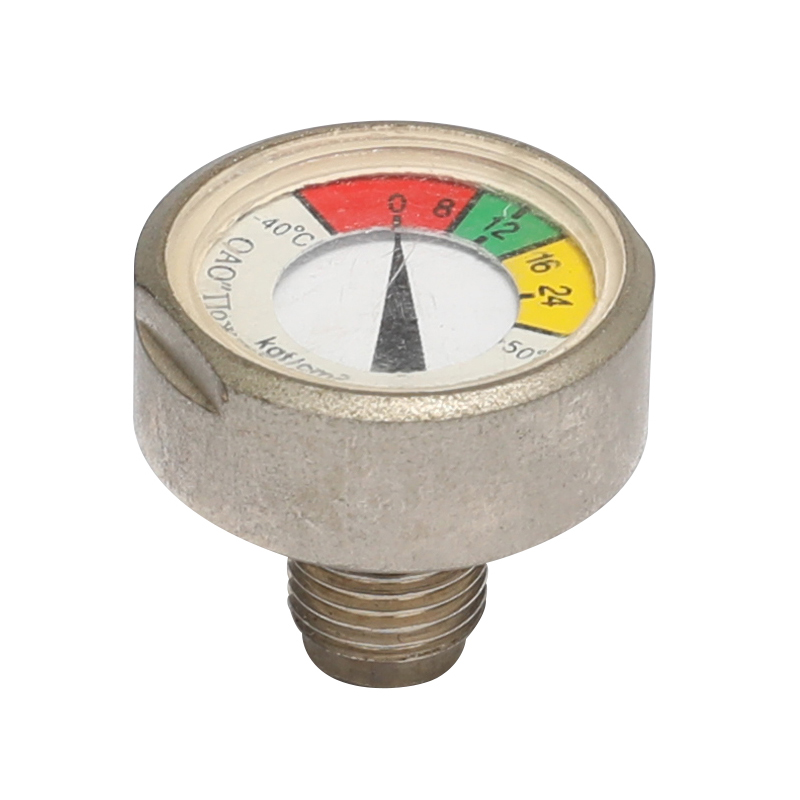
Gauge Connection Thread: NPT1/8x27
Dip Tube Thread: M16x1.5
Pressure Mpa: 2.3-2.8
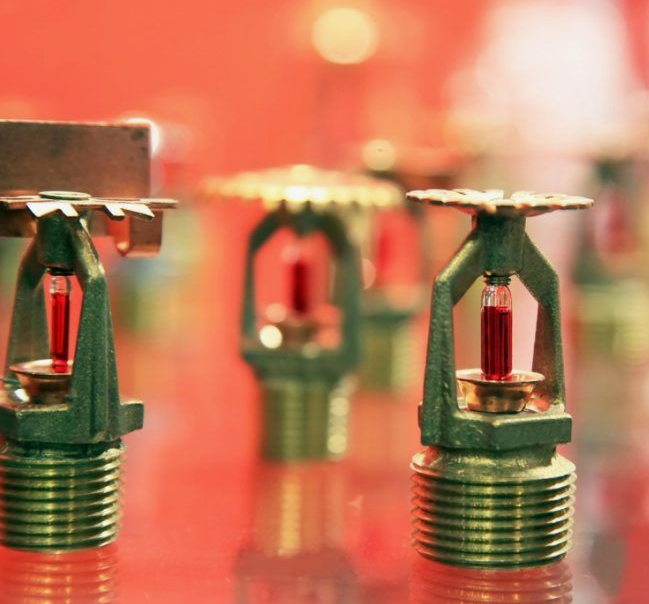
As a crucial piece of fire prevention equipment, fire sprinklers not only extinguish fires during an outbreak but also effectively control the spread of fire, buying valuable time for evacuation. To ensure their effectiveness, the installation of fire sprinklers must strictly adhere to relevant standards and regulations.
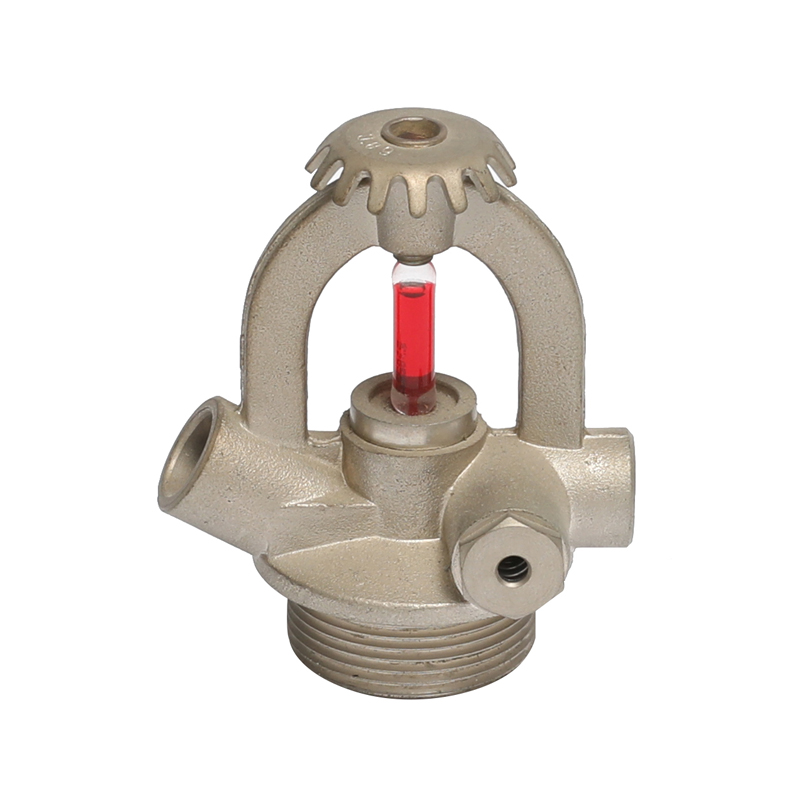
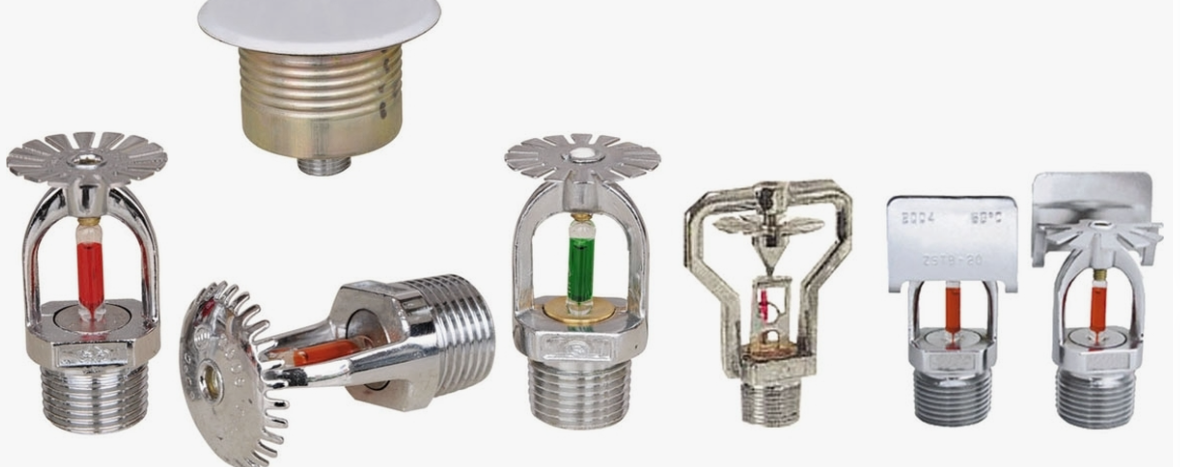
Fire sprinklers are a common type of automatic fire suppression system. They sense changes in fire temperature through their nozzles and automatically activate to spray water for extinguishing the fire. The sprayed water effectively reduces the temperature in the fire area, slows the spread of the fire, and extinguishes initial fires to some extent. Compared to traditional manual fire suppression equipment, the biggest advantage of fire sprinklers is their ability to provide 24-hour uninterrupted fire monitoring; they activate automatically without human intervention once a fire occurs.
The installation of fire sprinklers must comply with relevant national laws and regulations and industry standards. The following are some basic requirements for fire sprinkler installation:
(1) Installation Location
The installation location of the fire sprinkler must be able to cover all areas within the building that require protection. According to requirements, sprinklers should be evenly distributed indoors to ensure that each fire area is promptly covered by water flow. In special locations such as high-temperature environments and flammable/explosive areas, the sprinkler layout may need to be denser.
(2) Sprinkler Installation Height
The installation height of sprinklers is generally required to be 2.5 meters to 4 meters, depending on the room's ceiling height and the sprinkler system design. In larger spaces, such as warehouses and shopping malls, it may be necessary to increase the number of sprinklers or use specially designed sprinkler types.
(3) Sprinkler Type Selection
The selection of sprinkler type should be determined based on the specific needs of the location. For example, standard sprinklers can be selected in indoor residential areas; while for locations with special needs, such as electrical rooms and museums, waterproof or specially designed sprinklers may be required.
(4) Piping Layout
The piping of the sprinkler system should be rationally arranged according to the building structure. Piping installation should avoid excessive bends to reduce water flow resistance. The connection, support, and fixing of pipelines should comply with relevant regulations to prevent problems such as water leakage and pipe detachment during installation.
(5) System Pressure Requirements
The working pressure of the sprinkler system should meet standard requirements. Under normal circumstances, the water pressure needs to be maintained within a certain range to ensure stable operation of the sprinklers. In addition, the water source pressure and flow rate in the system also need to be determined through calculation to ensure optimal fire extinguishing effect.
(6) System Testing
After installation, the sprinkler system must undergo rigorous testing. Tests include the sprinkler head's spray effect, the sealing of the system pipelines, and the uniformity of spray. Testing ensures that all aspects of the system function normally and meet fire safety requirements.
Whether or not mandatory installation of fire sprinklers is required is usually determined by factors such as the nature, scale, and function of the building. In some high-risk locations, such as commercial buildings, high-rise buildings, warehouses, and hospitals, mandatory installation of fire sprinklers is not only a legal requirement but also an important means of ensuring life safety.
(1) High-Risk Locations
For some locations with high fire risk, such as chemical warehouses, gas stations, and production workshops, mandatory installation of fire sprinklers is essential. Because these places contain large amounts of flammable materials, once a fire occurs, the fire spreads extremely quickly. Without the protection of fire sprinklers, the consequences would be unimaginable.
(2) Public Places
In densely populated public places, such as shopping malls, supermarkets, and cinemas, the installation of fire sprinklers should also be mandatory. Once a fire occurs in these places, evacuation is very difficult. Fire sprinklers can extinguish the fire in time or effectively slow down the fire, buying valuable time for evacuation.
(3) Residential Buildings
For low-rise residential buildings, the installation of fire sprinklers is generally not mandatory. However, in high-rise residential buildings, especially those with 24 or more floors, the installation of automatic sprinkler systems has become mandatory.
The importance of fire sprinklers as a part of modern building fire safety is self-evident. Strictly adhering to standards in installing fire sprinklers not only ensures the safety of the building and its occupants but also effectively prevents the enormous losses caused by fire. In some high-risk locations, the mandatory installation of fire sprinklers is an indispensable safety measure. Therefore, relevant laws and standards must be strictly followed during building design, construction, and maintenance to ensure maximum protection of life and property in the event of a fire.
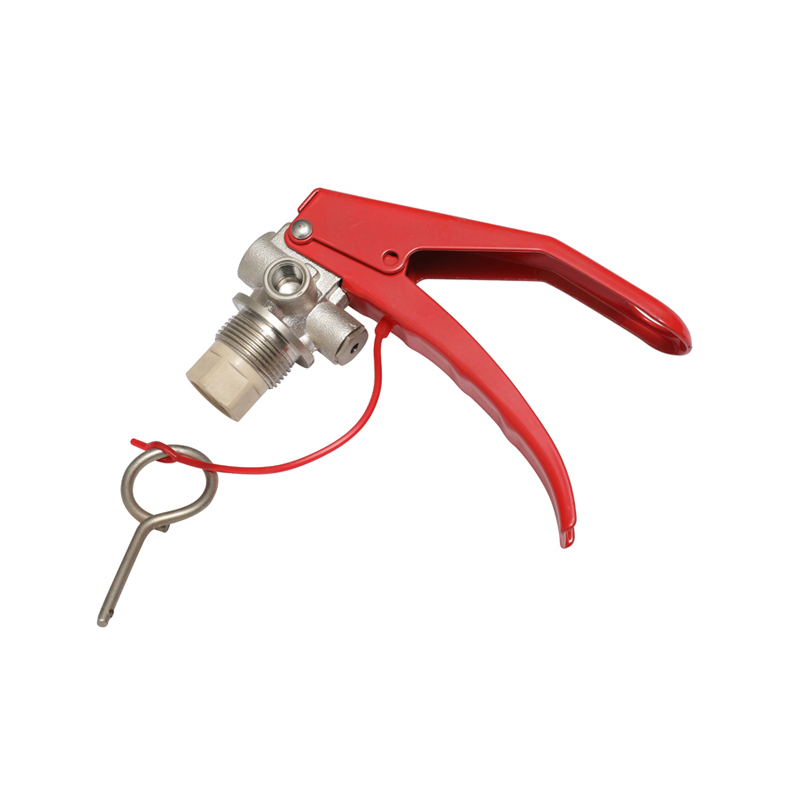
Inlet Thread: M30x1.5
Outlet Thread: G1/4x19
Gauge Connection Thread: NPT1/8x27
Dip Tube Thread: M16x1.5
Pressure Mpa: 2.3-2.8
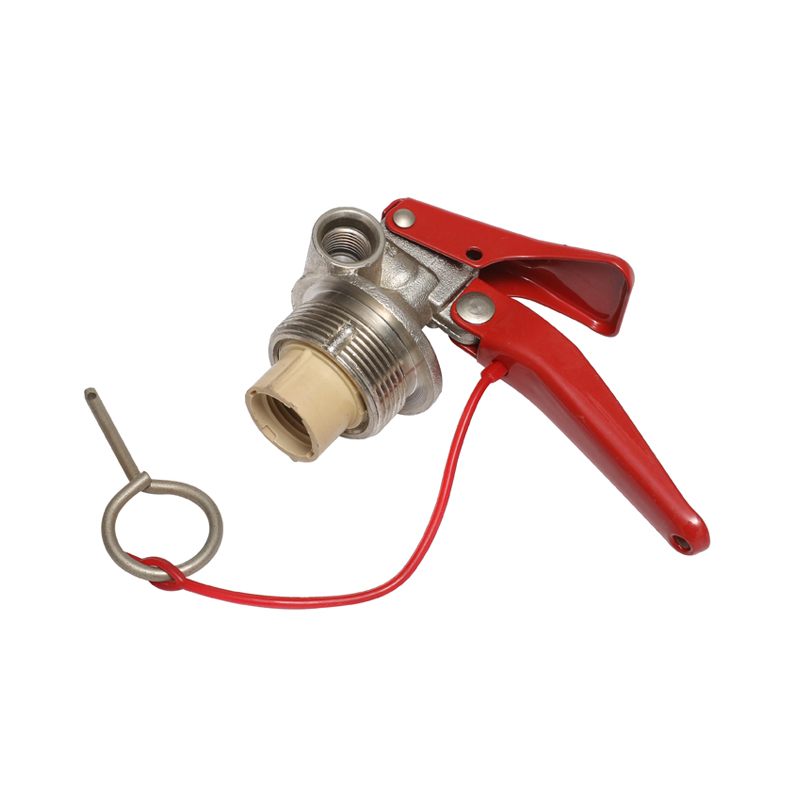
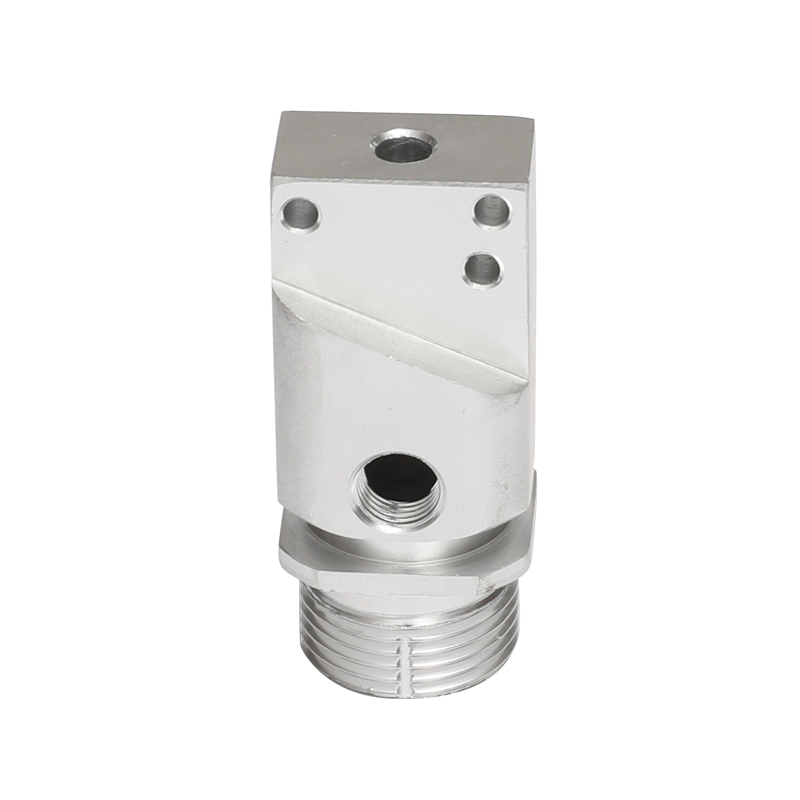
Inlet Thread: M30x1.5
Outlet Thread: G1/8x28
Gauge Connection Thread: M10x1x12.5
Dip Tube Thread: M16x1.5
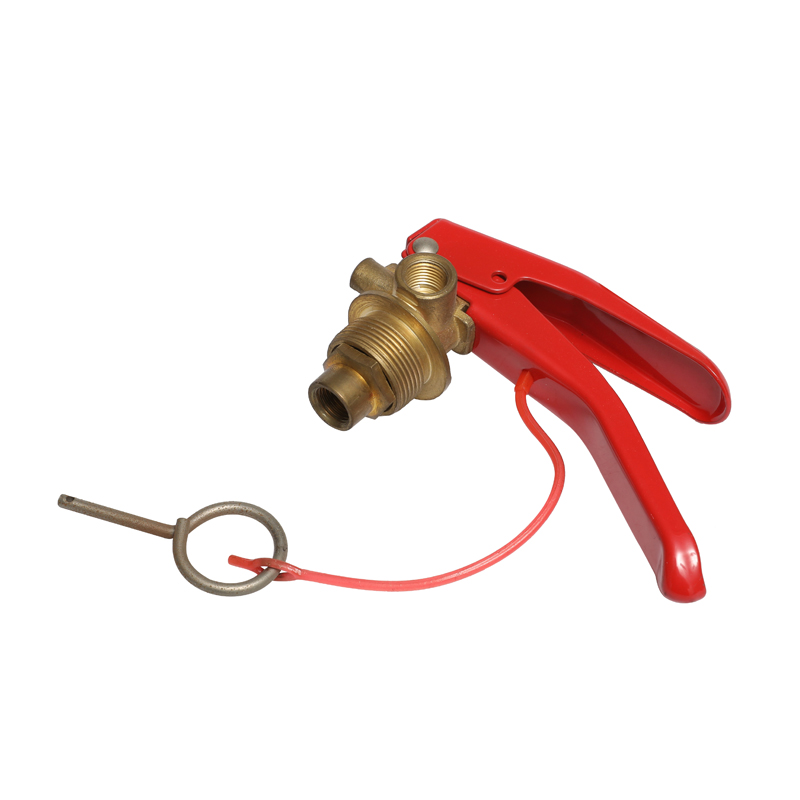
Inlet Thread: M30x1.5
Outlet Thread: G1/8x28
Gauge Connection Thread: M10x1x12.5
Dip Tube Thread: M16x1.5
inquiry
Can Supply Mature And
Stable Products.
Contact Us
Phone: +86-575-82411708
E-mail: sale@newideafire.com
Address: WUFU INDUSTRIAL ZONE, ZHEJIANG,CHINA
Products
Get In Touch


 浙公网安备 33060402001388号